 Green
A Gentler Way to Approach The Ordinary Virtues Of Walking, Day by Day
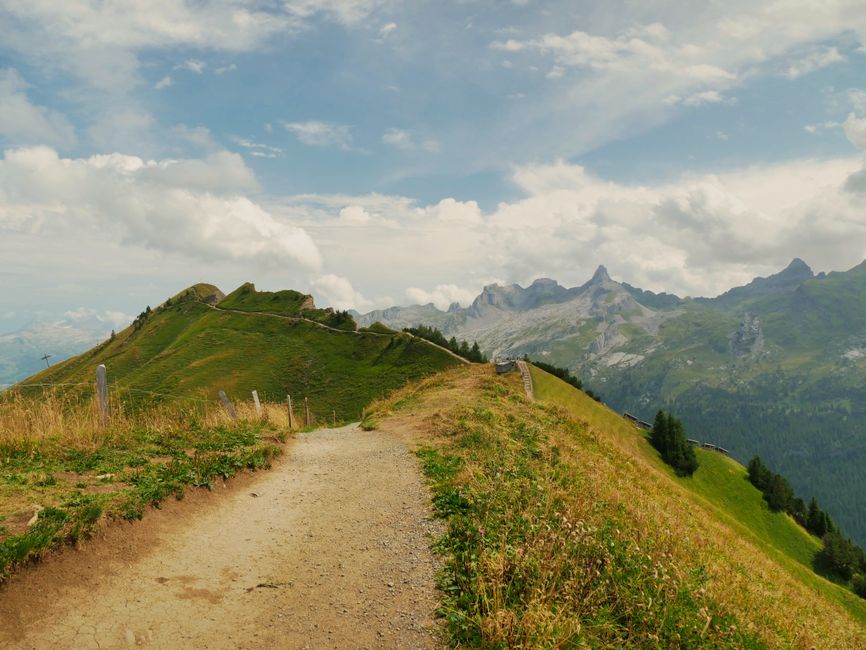
Sometimes the ordinary virtues of walking is easier to act on when it is broken into clear, simple steps. None of this is complicated, and none of it needs to be expensive. The rest of this article walks through the ordinary virtues of walking step by step, in plain language.
The simple version
The correct response is not to elevate walking into a protocol with prescribed step counts and heart-rate zones, which merely reintroduces the machinery it usefully escapes. It is to walk — to work, after dinner, around a park at lunchtime, on Sunday for no reason — and to allow it to remain the unremarkable thing it is.
Give yourself room to be imperfect here; a missed day is an event, not a reason to give up.
Step by step
In practice, walking is the most thoroughly recommended and least respected form of physical activity. It requires no equipment, no facility, no instruction, and no change of clothing, and its effects are broad enough that if it were sold as a product the claims would be disbelieved.
The goal is progress you can maintain, not perfection you have to chase and eventually abandon.
What to do first
Physiologically it improves cardiovascular fitness at sufficient intensity, assists glucose regulation particularly after meals, maintains joint mobility, and preserves the balance and gait that determine independence in later decades. It is one of the few activities that can be performed daily for a lifetime without accumulating damage.
What matters most is fitting this around your real routine, so it becomes something you barely have to think about.
What to keep doing
On a day-to-day level, its psychological effects are less easily measured and at least as significant. Walking outdoors combines movement, changing visual scenery, daylight, and a rhythm that appears to loosen thought. Problems resolve on walks that did not resolve at desks. Difficult conversations are easier conducted side by side than face to face. Grief is often more bearable in motion. You can read more from MedlinePlus (National Institutes of Health).
The goal is progress you can maintain, not perfection you have to chase and eventually abandon.
A quick self-check
Put simply, it is also social in a way that gyms are not. A walk accommodates a companion, a child, a dog, a phone call, and a range of fitness levels. It costs nothing, which makes it available across circumstances where other forms of exercise are not.
What matters most is fitting this around your real routine, so it becomes something you barely have to think about.
Putting the steps together
The key point is that the reasons walking is dismissed are instructive. It generates no purchase, no membership, no measurable transformation, and no photograph. It is what many people did before exercise was invented, and its ordinariness is mistaken for insufficiency.
It helps to focus on what you can realistically do most days, rather than an ideal you can only manage occasionally.
Practical tips
In everyday terms, this can look like:
- Notice what works for you personally, since everyone responds a little differently.
- Keep the useful option easy to reach and the tempting one a little harder.
- Protect your sleep, since it quietly makes everything else easier.
- Aim for good enough on busy days instead of skipping entirely.
The bottom line
The best approach is the one you can keep going with. Keep it simple, be patient with yourself, and let small changes add up. That is usually all it takes.
Frequently asked questions
How long before I notice a difference?
It varies from person to person. Give any new habit a few weeks of consistency before deciding whether it is working for you.
Is this relevant if I'm just starting out?
Yes. You can begin with one small change and build from there. With the ordinary virtues of walking, steady progress beats trying to do everything at once.
Is this suitable for busy people?
Yes. Most of the ideas here fold into things you already do each day, so they take little extra time.
Do I need special equipment or money?
No. Most of what helps is free or low-cost, and the simplest options are usually the ones people stick with.