 Green
Green Room for Stress: Signal, Response And Recovery in a Full Day, on a Normal Week
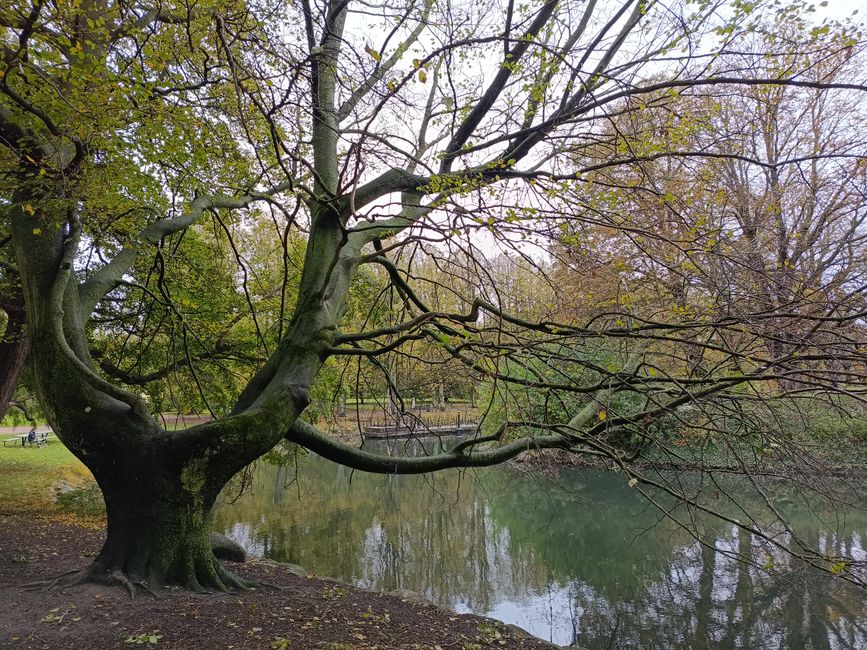
Sometimes stress: signal, response and recovery is easier to act on when it is broken into clear, simple steps. Think of it as gentle maintenance rather than a strict programme. The rest of this article walks through stress: signal, response and recovery step by step, in plain language.
The simple version
More often than not, recovery has physiological and psychological components. Physiologically: sleep, movement that discharges rather than adds tension, and something as basic as slow breathing, which shifts the balance of the autonomic nervous system in a matter of minutes. Psychologically: completion. Many stressors persist not because they remain but because they were never marked as finished. Talking about a challenging event, writing it down, or physically leaving the place where it occurred all serve as endings.
Give yourself room to be imperfect here; a missed day is an event, not a reason to give up.
Step by step
There are also structural questions that no relaxation technique answers. Some stress arises from a situation that is genuinely intolerable, and the healthy response is to change the situation. Techniques that make an unacceptable arrangement bearable can extend it.
The goal is progress you can maintain, not perfection you have to chase and eventually abandon.
What to do first
In practice, the distinction worth making, repeatedly, is between stress that is being processed and stress that is being stored. The first is ordinary. The second accumulates silently and presents its bill later, typically in a form that looks like something else.
The practical takeaway is to keep stress: signal, response and recovery simple enough that it survives a busy week, not just a good one.
What to keep doing
Stress is not the problem. The stress response is a functional system that mobilises resources when they are needed. It sharpens attention, raises heart rate, and makes energy available. Applied to a difficult conversation, a deadline, or a sprint, it is useful and it resolves. You can read more from the National Institute of Mental Health.
A quick self-check
The problem is a stress response that never terminates. Chronic activation keeps the system in a state designed for minutes and sustained for months. Sleep becomes shallow. Digestion is deprioritised. Immune function alters. Blood pressure remains elevated. The mind, meanwhile, is trained to scan continuously for threat, which becomes its habit even when no threat is present.
If you remember only one thing here, let it be that steady, repeatable habits beat short bursts of effort.
Putting the steps together
Recovery is therefore the operative variable, not the elimination of stress. A life without stress is neither possible nor desirable; a life without recovery is unsustainable.
Practical tips
In everyday terms, this can look like:
- Give any change a few weeks before judging whether it is helping.
- Anchor a new habit to something you already do each day, like your morning coffee.
- Aim for good enough on busy days instead of skipping entirely.
- Start small and stay consistent rather than aiming for a dramatic change.
The bottom line
The best approach is the one you can keep going with. Take it one small step at a time. Consistency, not intensity, is what makes the difference in the long run.
Frequently asked questions
How long before I notice a difference?
It varies from person to person. Give any new habit a few weeks of consistency before deciding whether it is working for you.
What is the single most important thing to focus on?
Consistency. A modest routine you actually keep beats an ambitious plan you abandon after a week.
Is this relevant if I'm just starting out?
Yes. You can begin with one small change and build from there. With stress: signal, response and recovery, steady progress beats trying to do everything at once.
Is this suitable for busy people?
Yes. Most of the ideas here fold into things you already do each day, so they take little extra time.